hearth
an adaptive wall projection that helps people move beyond small talk— using reflection and play to spark genuine connection.
ROLE
designer
TIMELINE
May-Aug 2025
FOCUS
TOOLS
Figma
challenge
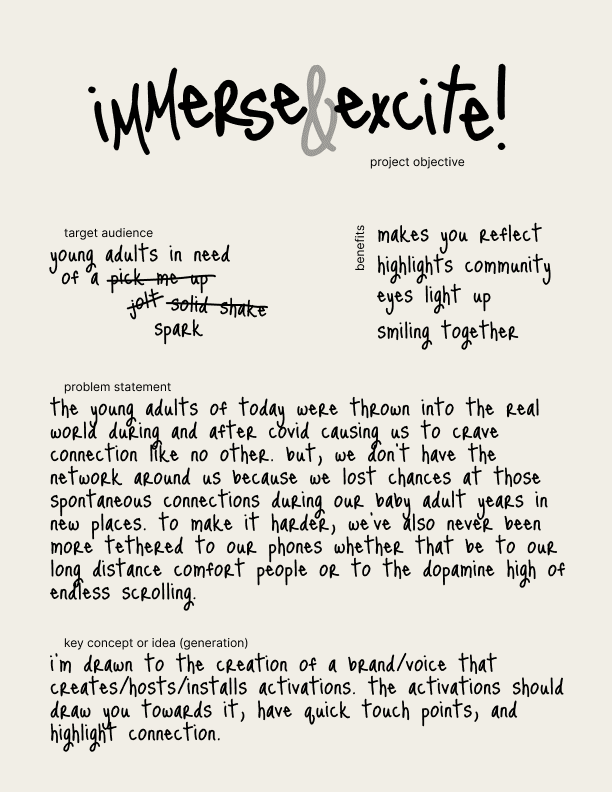
Today's 20-somethings crave connection, but the spontaneous moments that often spark new friendships are becoming rare.
Conversations often default to surface-level fact collection: where you're from, what you do, what you like. I think of this as the "dating app mindset"- quickly collecting information to decide whether someone is "worth" connecting with.
But does that information collection actually lead to meaningful connection?
how might we use technology for non-algorithmic connections?
The best hosts don't force connection— they create the space for it.
They introduce the right people at the right moment, often kickstarting their conversation over a shared interest to spark something meaningful.
Hearth is designed to act as that host.
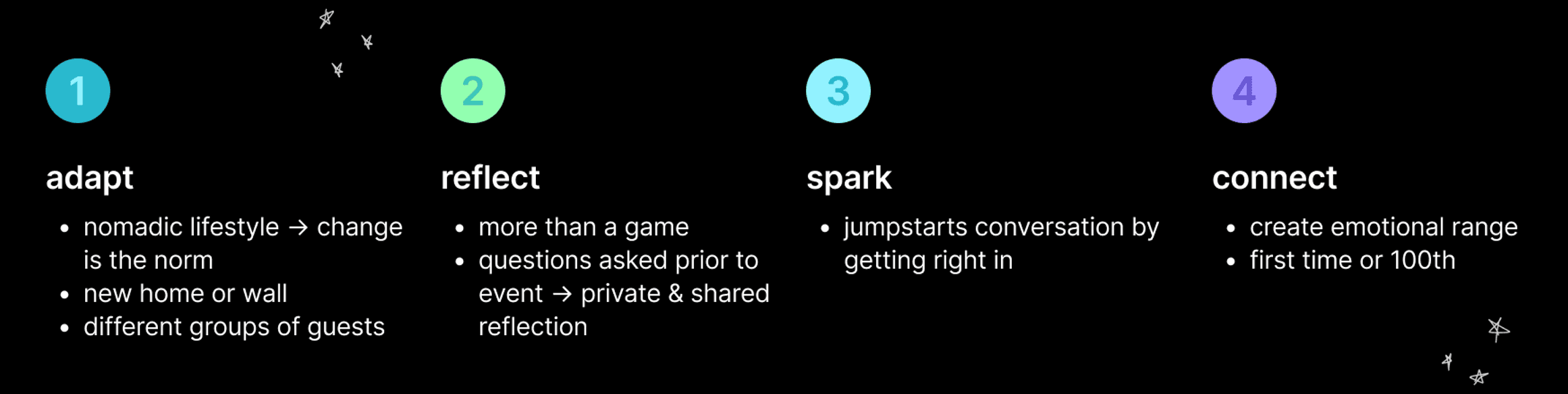
driving principles
early evolution
I initially explored a highly interactive system where guests would receive prompts on their phones during the event, with responses appearing in real time to influence the projection. I imagined a range of interaction levels for guests with many activities showing on the screen at once.
However, would asking guests to use their phones during the experience pull them away from connection?
play testing
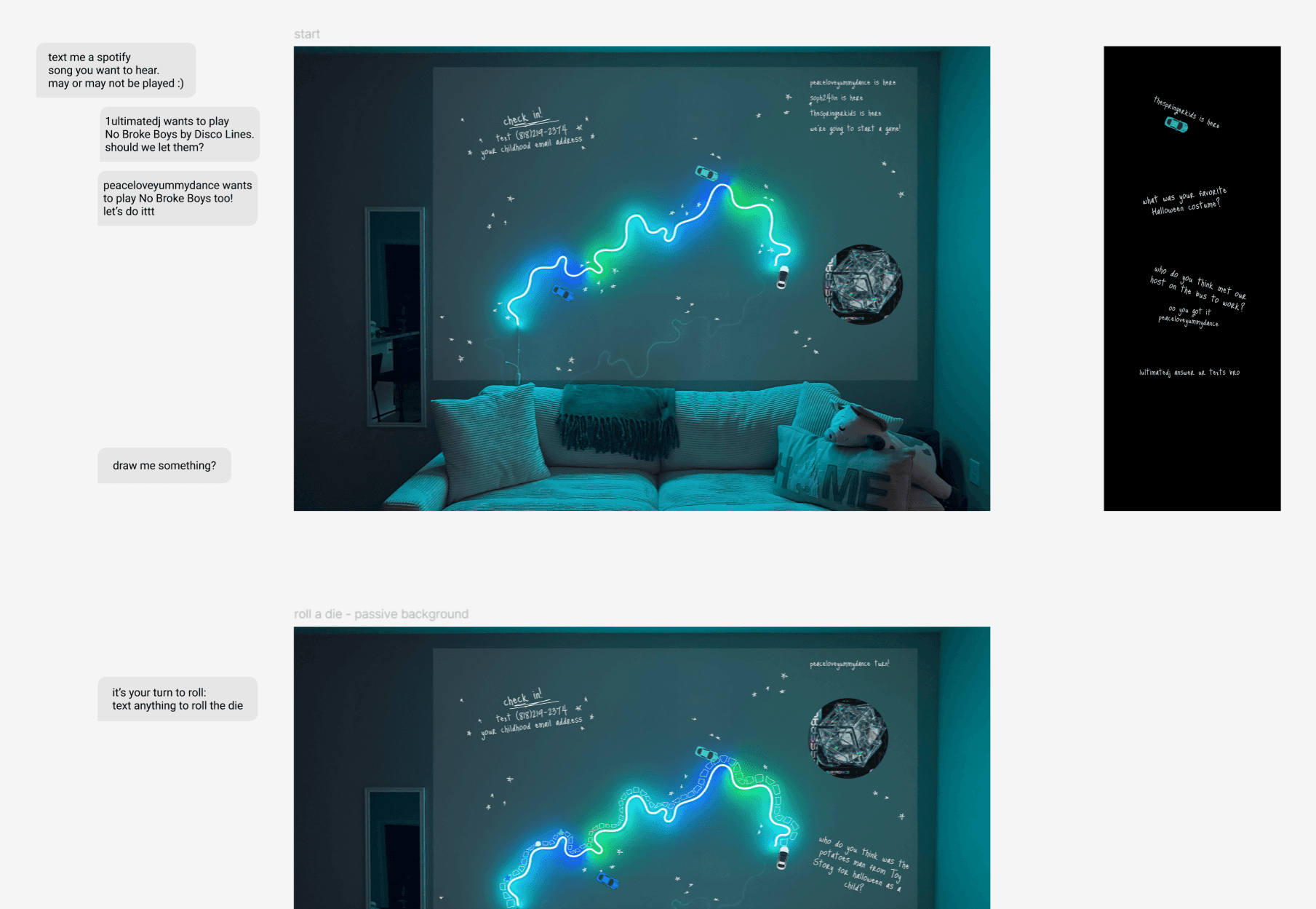
To explore this question, I conducted an early prototype test with two participants. Using a live Figma prototype, I simulated the experience as I collected their responses via text.
This allowed me to observe how content, timing, and interaction patterns influenced engagement.
pivoting to a phone-free experience
collection: shifted content input to before the event to eliminate phone use during the experience
presentation: focused on one idea at a time to create a shared, guided flow
depth: moved away from light, game-like prompts towards more reflective questions that build connection between guests
curating questions around event intentions
For my first activation, I designed a sequence of four prompts around the theme of nostalgia that increased in depth, similar to leveling up in a game. The first question received near-instant responses, while later prompts required more reflection. Many guests took over a day to answer the final question, with half of them not answering it at all no matter how many times they told me they would.
This revealed an important insight: People want deeper connection, but often hesitate when it requires vulnerability.
warm hosting voice in text interaction
I crafted each message carefully, pairing the four prompts with personalized responses to create a sense of warmth and familiarity. Rather than feeling automated, Hearth's voice is intentionally human like a thoughtful host.
projection content
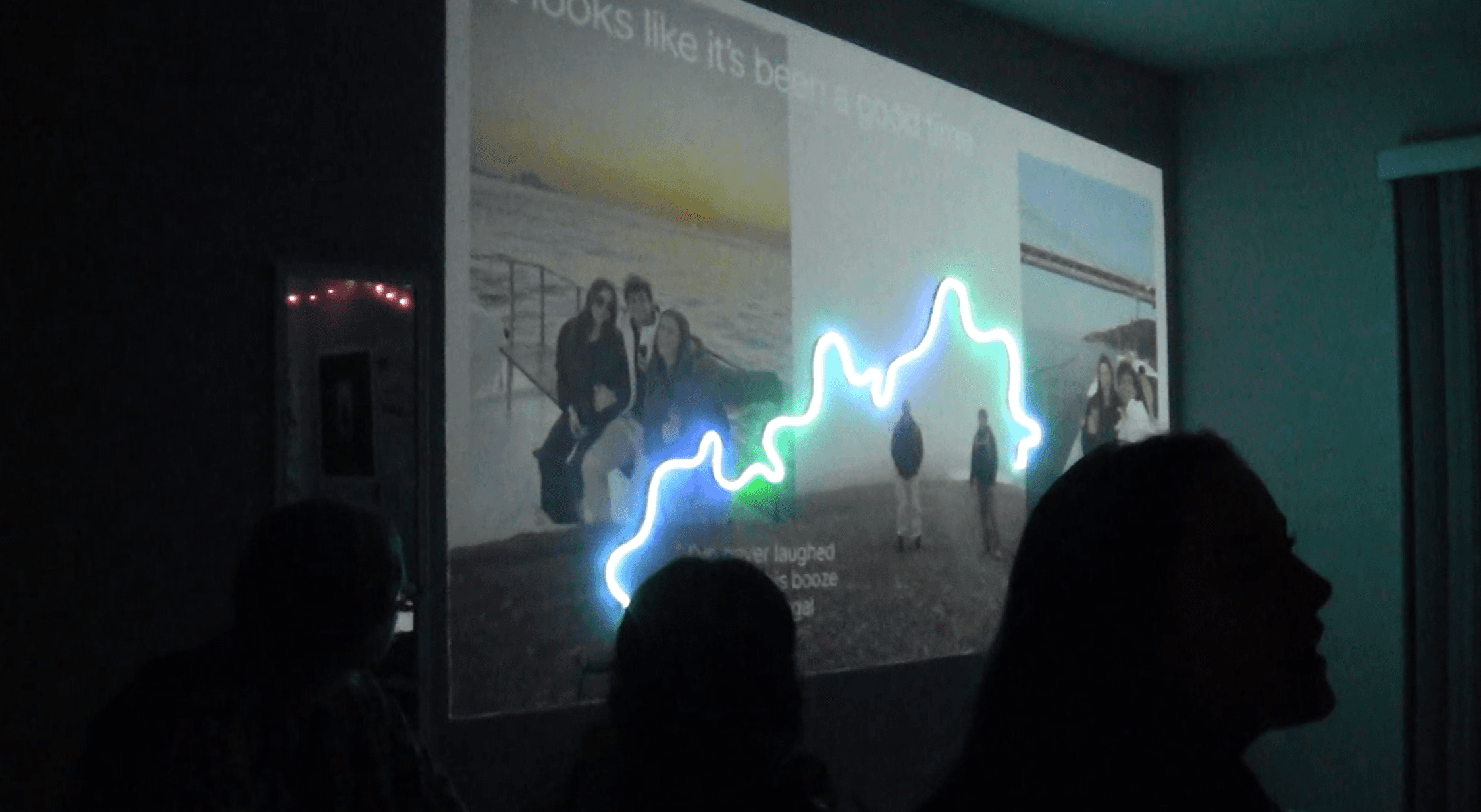
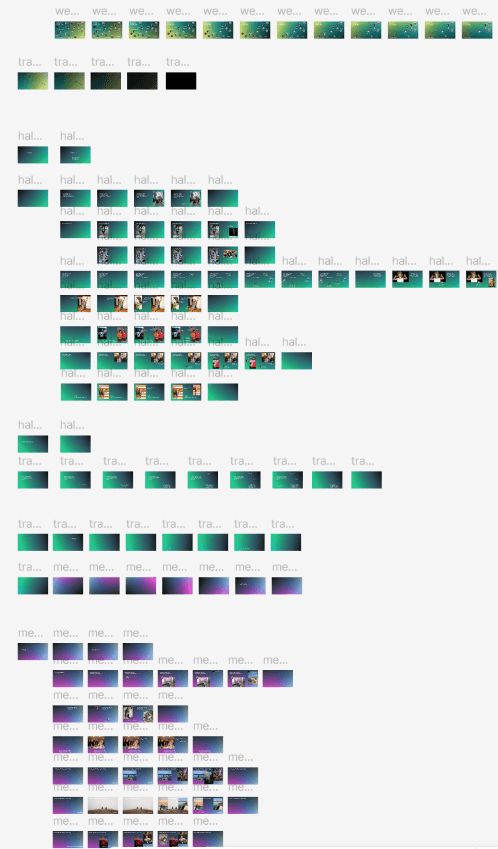
I created a one-hour projection experience in Figma using guests' responses.
The experience unfolded in four stages, each tied to a prompt:
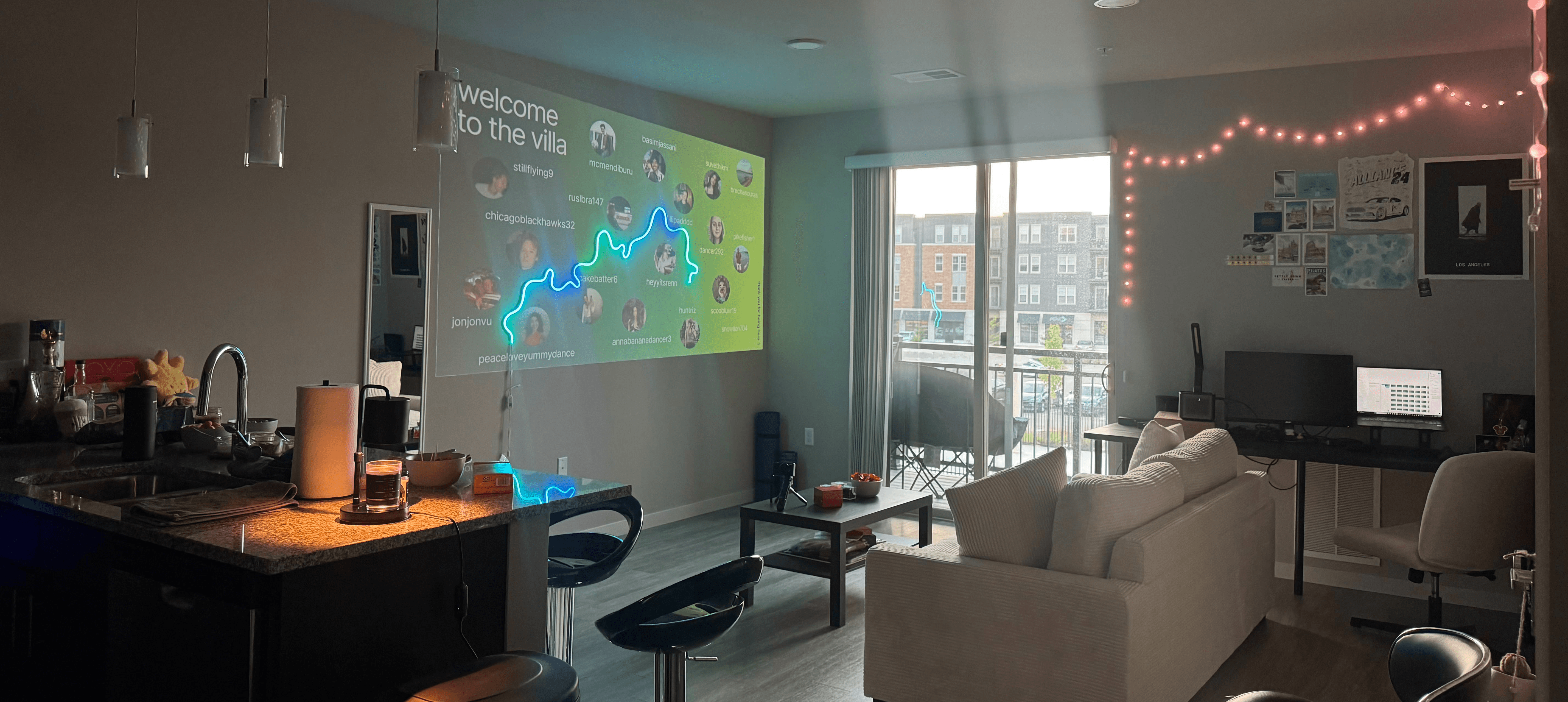
introductions: childhood usernames paired with their Instagram profile photos to display each attendee I knew before hand.
playful connection: favorite past Halloween costumes were used for trivia and quick, game-like fun.
reflection: a fun but moving story through my guests’ favorite photos from the last year. I took this moment to congratulate a pair on their engagement and to reminisce on a great year with a friend that was moving away soon.
something to leave with: memorable quotes were displayed together, encouraging reflection and continued conversation.
exploring variation all in one event
During the experience, I explored variations in:
transitions: a slow visual fade out, an additional projected question, an intro to the next section, or no transition at all.
pacing: varying time to read content to match different reading speeds, sometimes using a timer bar to signal when the answers or next slide would display.
ownership: displaying full identity (username and photo), partial identity, or anonymity.
grouping: content was displayed alone, in pairs, or in larger groupings to draw different types of connection.
environment
I arranged the physical space to support the experience, moving seating to face the projection and minimizing visual obstruction. This also helped me prevent guests from staring straight at the projection light which I was worried about.
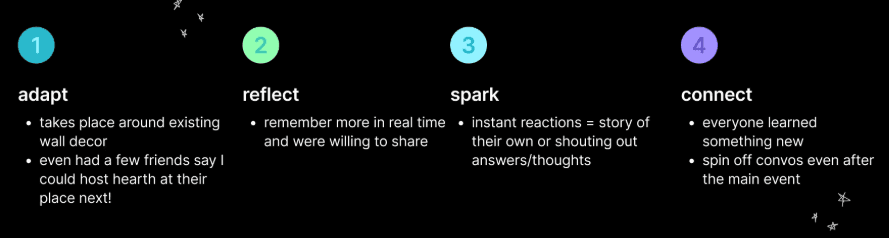
principles manifested
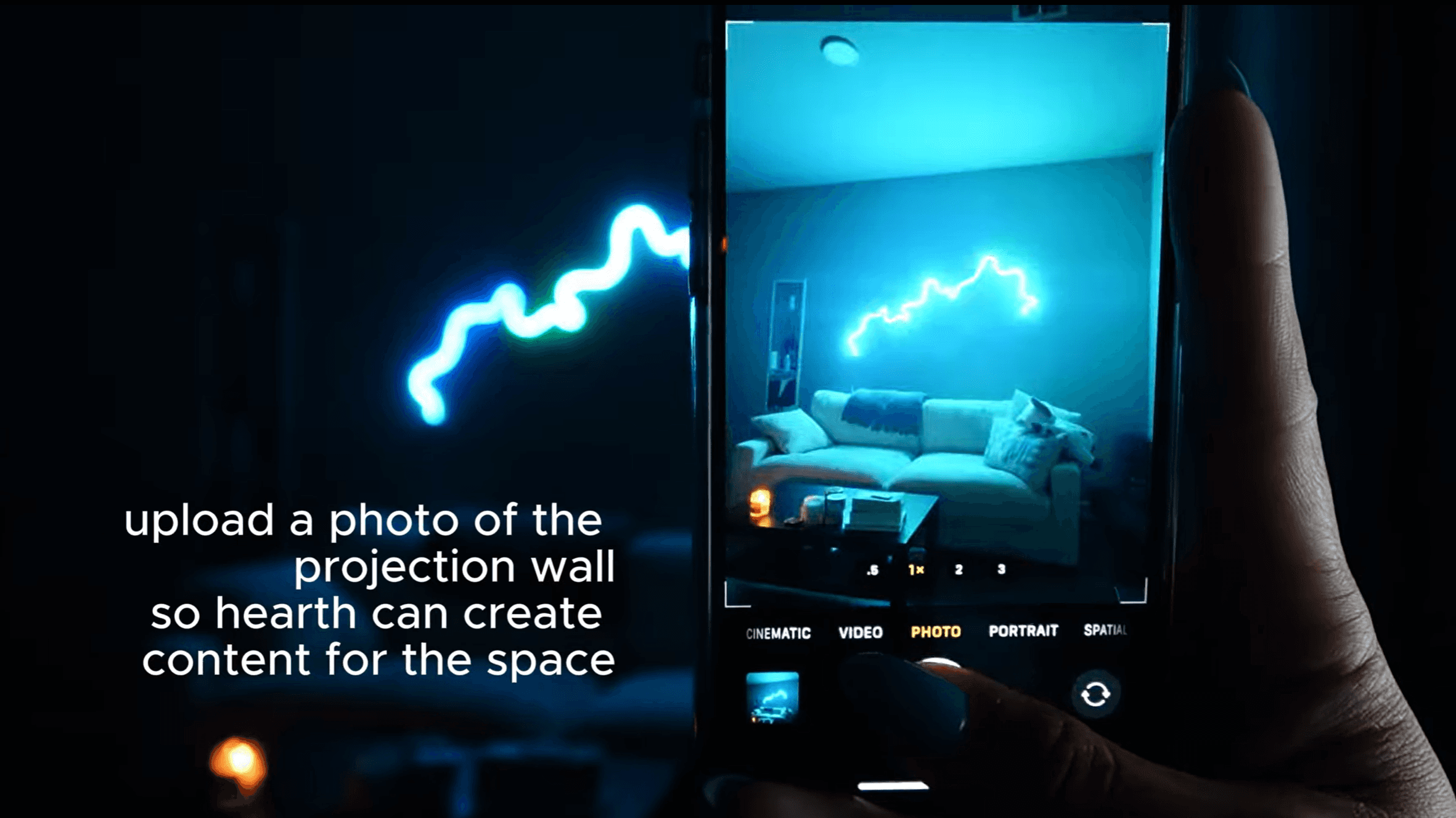
hearth app vision
to connect with guests
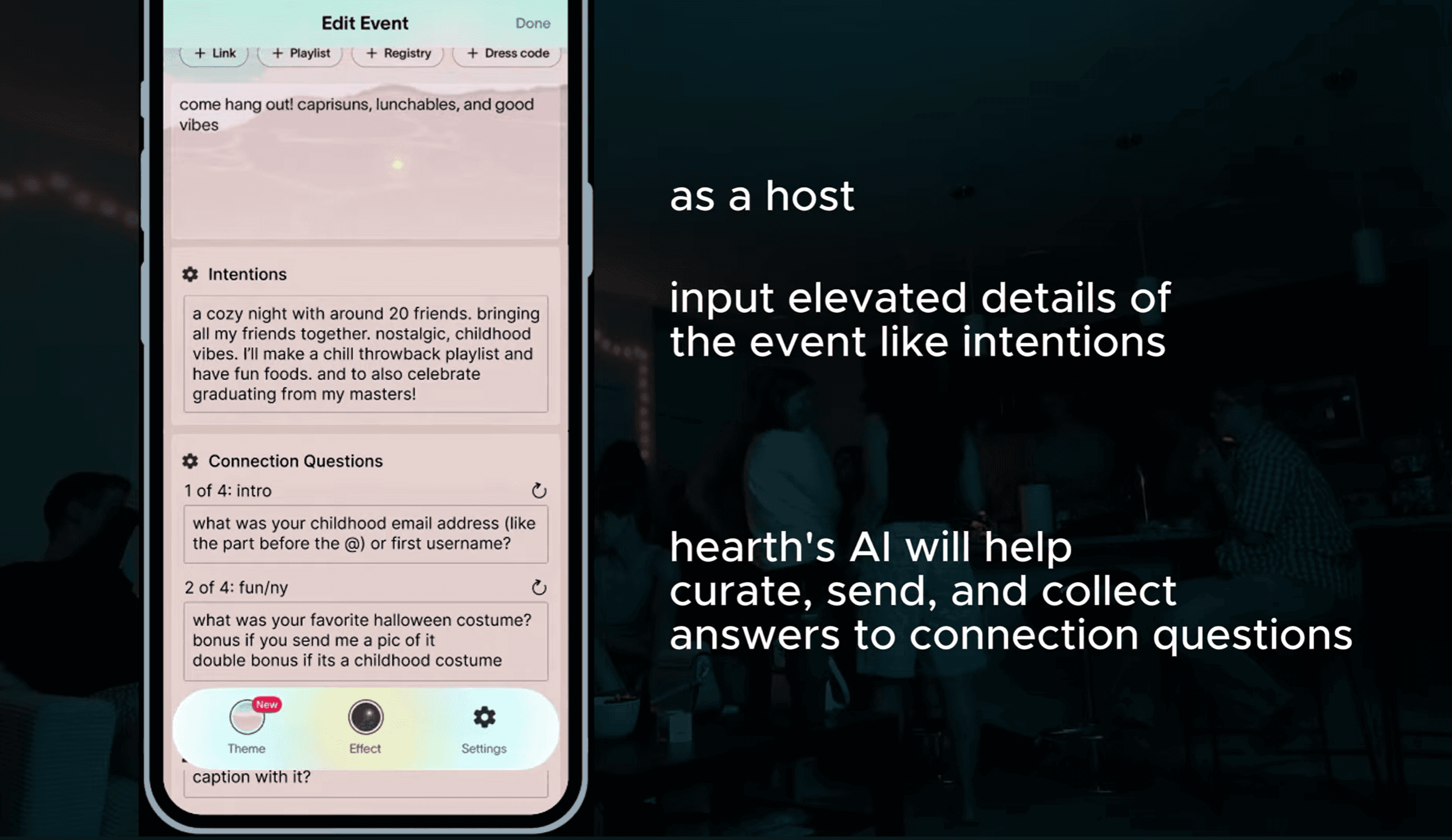
to customize content